

Karl Barth called Valentin Ernst Löscher (1673-1749) the "last significant representative of Lutheran orthodoxy" before the church was rampaged by Pietism and the Enlightenment (see Barth's "Protestant Theology in the Nineteenth Century: Its Background and History" pg. 126, where I found this list.)
- Indifference to the truth of the Gospel, boasting that Christianity is a Christianity of power;
- Devaluation of the means of grace by their association with human piety;
- Weakening of the ministry of the Church by the denial of the objective grace of the ministry (to be affirmed not for the benefit of godless pastors but by virtue of the matter itself);
- The confusion of the righteousness of faith with works, the understanding of justification as the process which in the last resort takes place within man;
- A tendency towards chiliasm; (*n.b. belief in a literal 1000 year reign of Christ after he returns).
- The limitation of repentance to a particular time of life;
- Preciousness, that is the suppression of all natural pleasure and the so-called intermediates;
- A mystical confusion of nature and grace in the conception of an essential part of man which is pure and good in itself even before the rebirth;
- The annihilation of the so-called subsidia religionis, i.e. the outward and visible Church, by devaluation of its symbols and ordinances, by the contestation of the theological systems;
- The fostering and acquittal of manifest enthusiasts;
- The conception of an absolute perfection that is both possible and necessary, which leads to pride or despair;
- The undertaking to improve not only people but the Church itself, that is, the desire to alter it;
- The cause of manifest schisms.
Continue reading...
I've been searching for excellent Church History books and a common denominator to most of the lists I've found had Henry Chadwick's "The Early Church: The story of emergent Christianity from the apostolic age to the dividing of the ways between the Greek East and the Latin West" on it. This is volume one in The Penguin History of the Church series, and you may read most of it online at Google Books.
Henry Chadwick was a historian and an Anglican, and was a professor at both Oxford and Cambridge. His The Early Church covers the first six centuries of the Christian Church's history, beginning with nascent Jewish Christianity and ending with established Christendom at the time of Gregory the Great. The book is a short entertaining and accessible read that retells history primarily by discussing the most famous theologians of each epoch rather than a complete history of all the world (otherwise it would be a very long book.)
Continue reading...

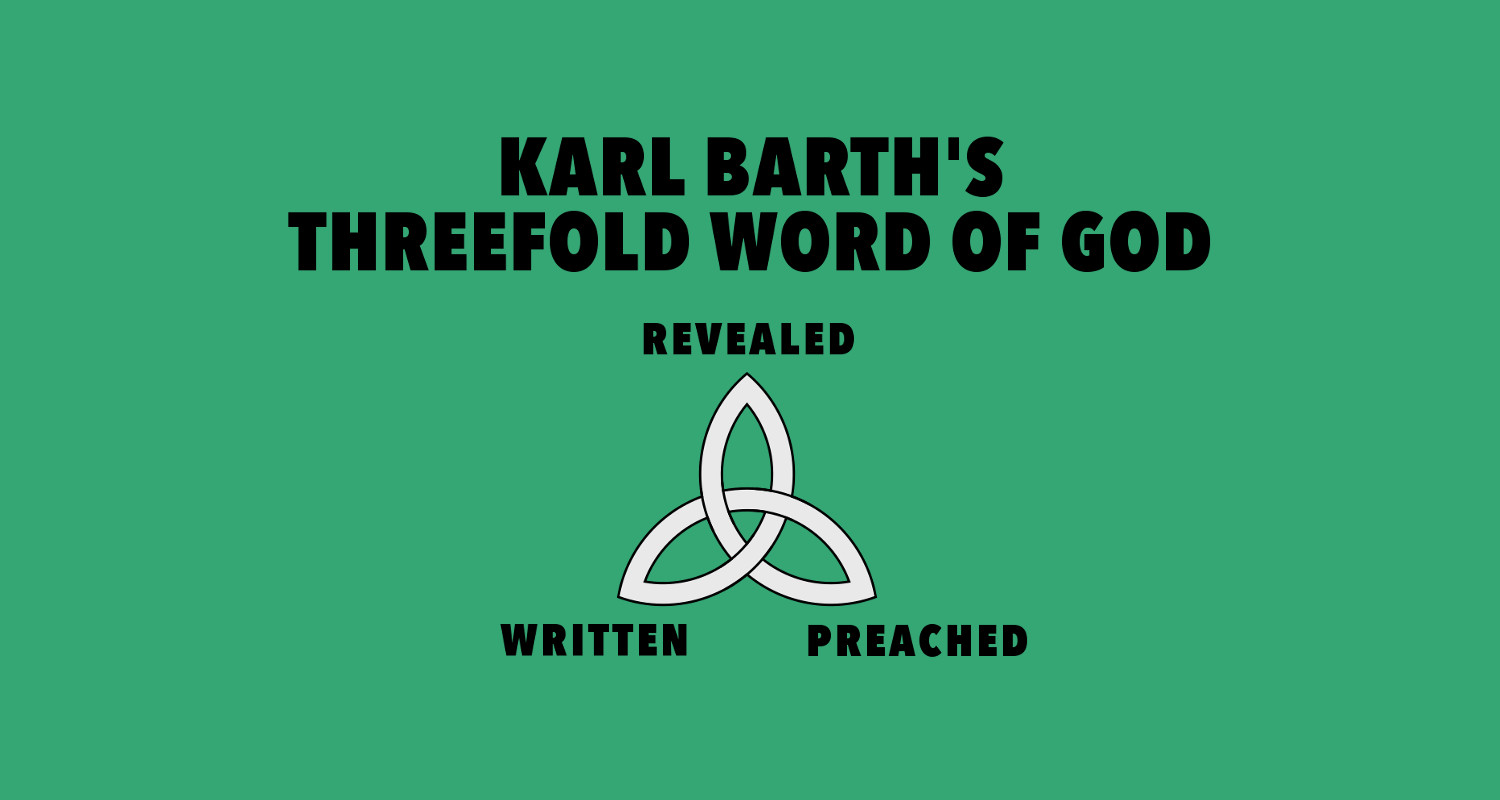
Karl Barth's Church Dogmatics I.2, §20.1 (pages 538-585) on "The Authority of the Word of God" has an extended discussion about the authority of the Holy Scriptures in contrast to the authority of the Church. (You may read it entirety on Google Books here.) The fundamental question is whether the Church gives authority to the scripture and defines what is and is not the Holy Scriptures, or is it the other way around that the Church has authority because it is derived from the Holy Scriptures?
Karl Barth says that the Holy Scriptures are the oldest witnesses to the revelation of God. Barth points to Jesus Christ as the objective revelation of God earlier in this volume I.2 of his Church Dogmatics (CD). Barth says that Jesus is very human and very God, and even if other religions teach similar truths as Christianity they are still not the revelation of God (even if they are religions of grace) because they do not have the very man and very God person of Jesus Christ.
Continue reading...
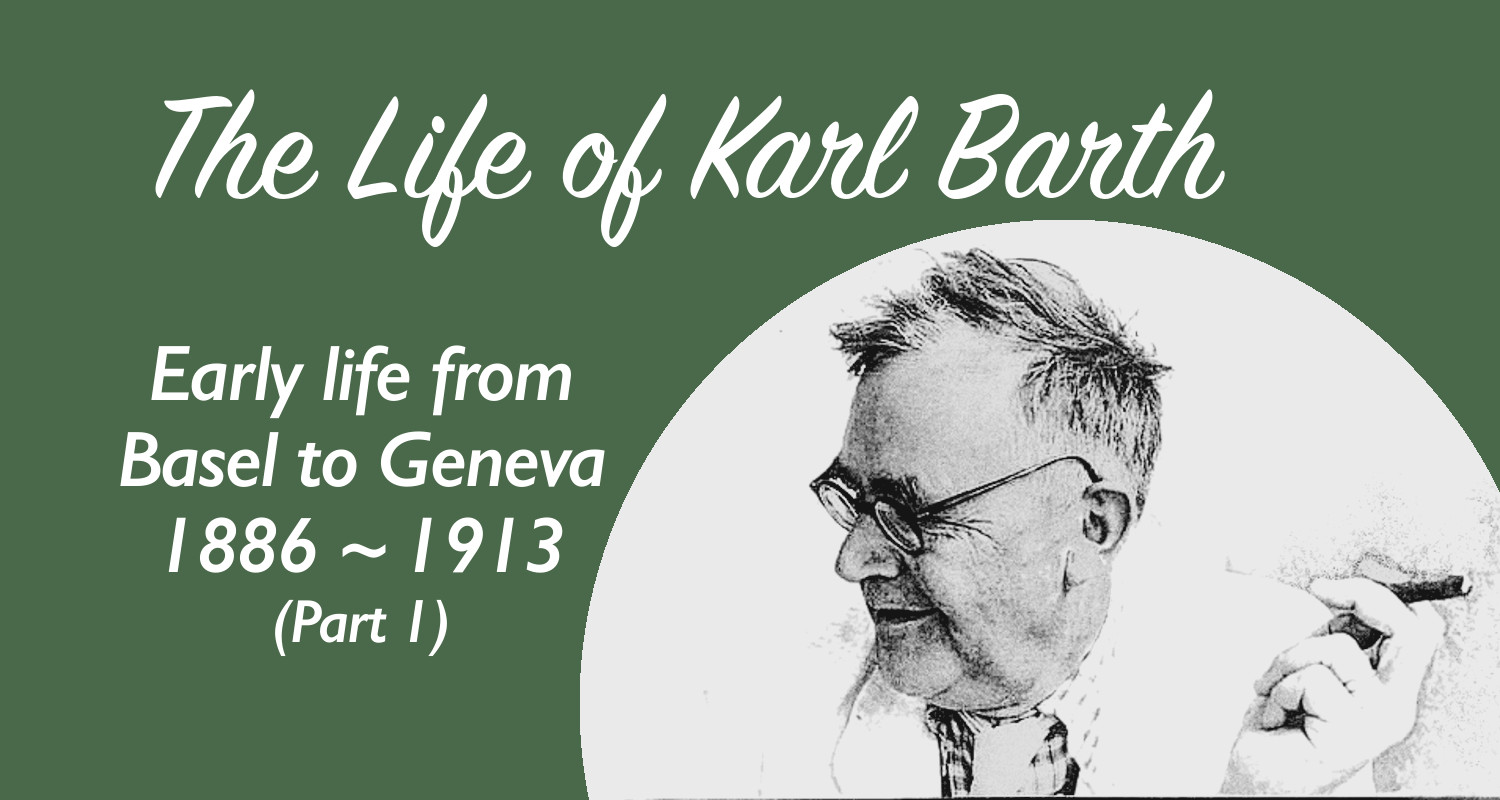
Karl Barth is difficult to explain, which explains why so many people dismiss Barth without reading what he wrote. Engaging With Barth requires reading his Church Dogmatics (CD), which I have been doing so at a good pace yet out of order. It's been difficult to procure an affordable copy of the fourteen volume series until recently. I read half of volume I.1 in PDF format, then found a very old copy of volumes II.1 & II.2 (The Doctrine of God) on an "Old & Interesting" book shelf at a local used book dealer. I purchased a reprint of the fourteen volume series last year, and now I am three-fifths through volume I.2. I've had a serpentine path that will straighten out once I complete this volume, which also happens to be the largest in the series. Reading the Church Dogmatics is a bit like the way I read through the first four volumes. Continue reading...

David Teems' book, "Tyndale: The Man Who Gave God an English Voice" is a biography about William Tyndale who pioneered the translation of the Holy Bible into modern English. The first widely circulated English translation of the bible was written in Middle English by John Wycliffe in the 14th century. The Tyndale Bible was the first bible translated into Modern/Pre-Modern English and the first to be widely circulated due to the printing press in the 16th century. Tyndale is credited with investing a large number of words commonly used in English vernacular even today, and all English Bible translations still retain verbatim translations sourced from Tyndale's Bible. The influence of Tyndale on the English Language and culture cannot be understated. This book is about Tyndale, his translation and similar works. Continue reading...